Scuba Diving in La Digue, Seychelles
A simple guide to what diving in La Digue is really like before you get in the water.
All scuba diving from La Digue is done by boat, with granite reefs, boulders, channels and marine life around a quiet Seychelles island base.
Whether you are trying scuba for the first time or already certified, this guide helps you understand what to expect and which diving experience may fit you best.
Type of diving
Boat diving
Landscape
Granite reefs, boulders and channels
For
Beginners and certified divers
Marine life
Turtles, rays, reef fish, moray eels and reef sharks
Conditions
Change with season, wind, current and visibility
What Is Diving in La Digue Like?
Scenic
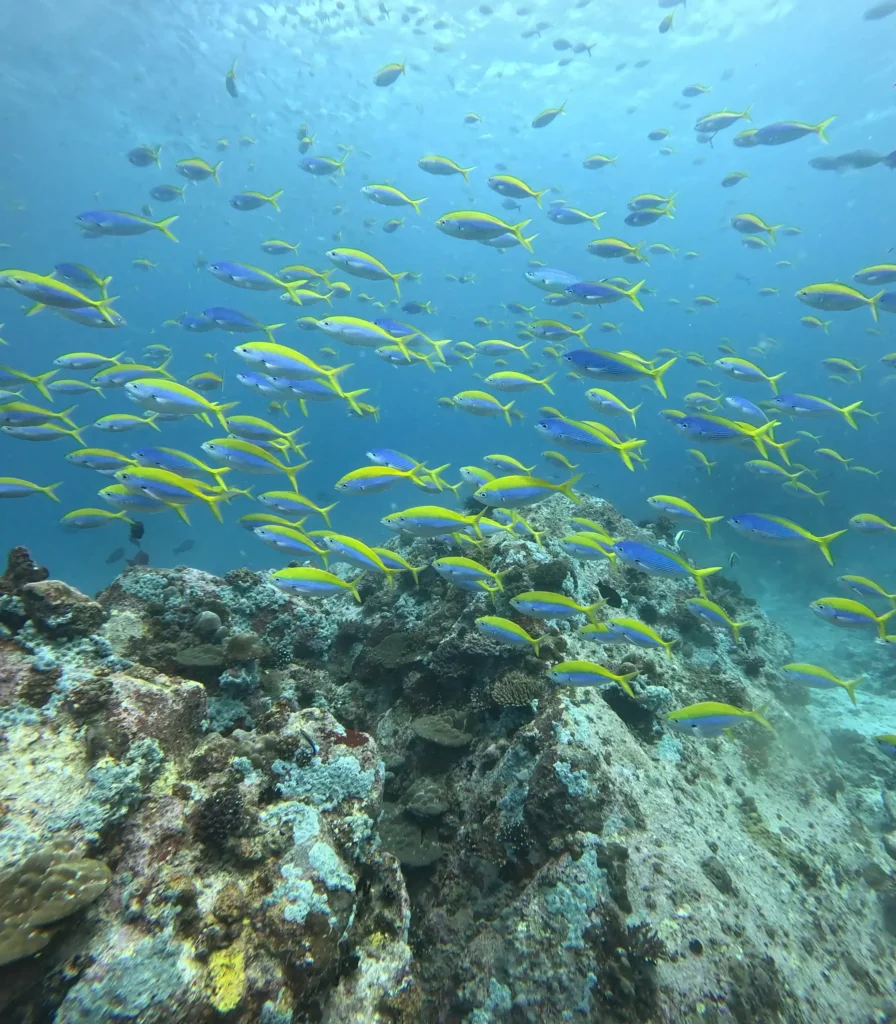
Granite reefs, boulders and channels give La Digue diving a very visual underwater landscape.
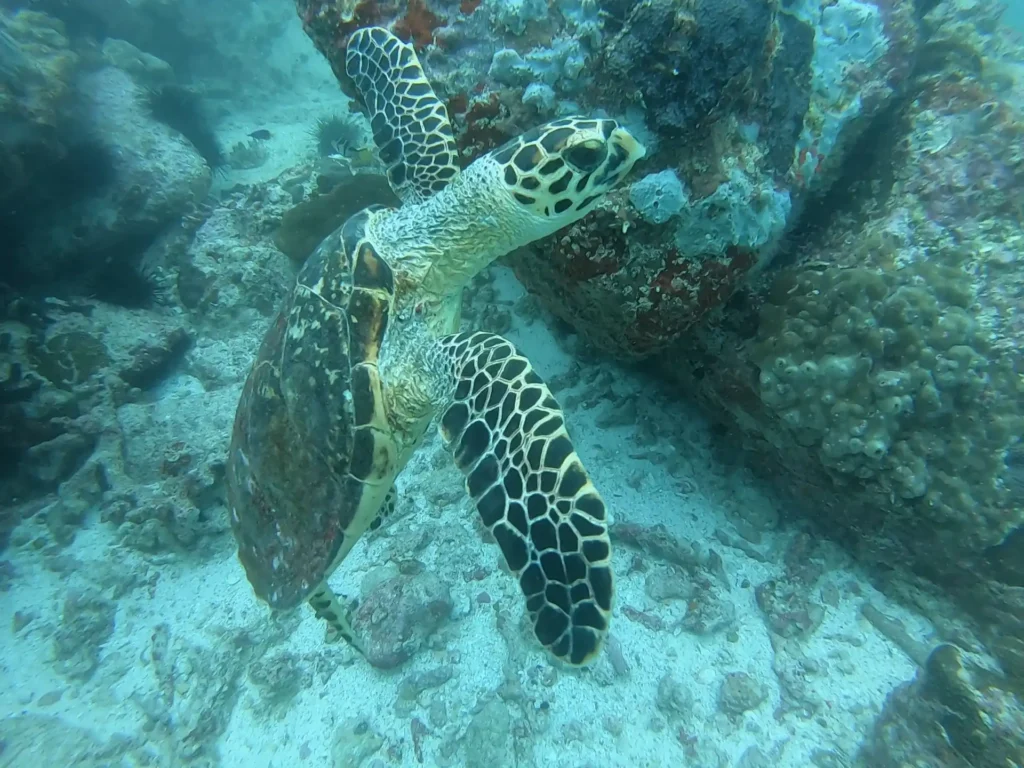
Alive
There is always something to look for, from reef fish around the rocks to turtles, rays or moray eels passing through.
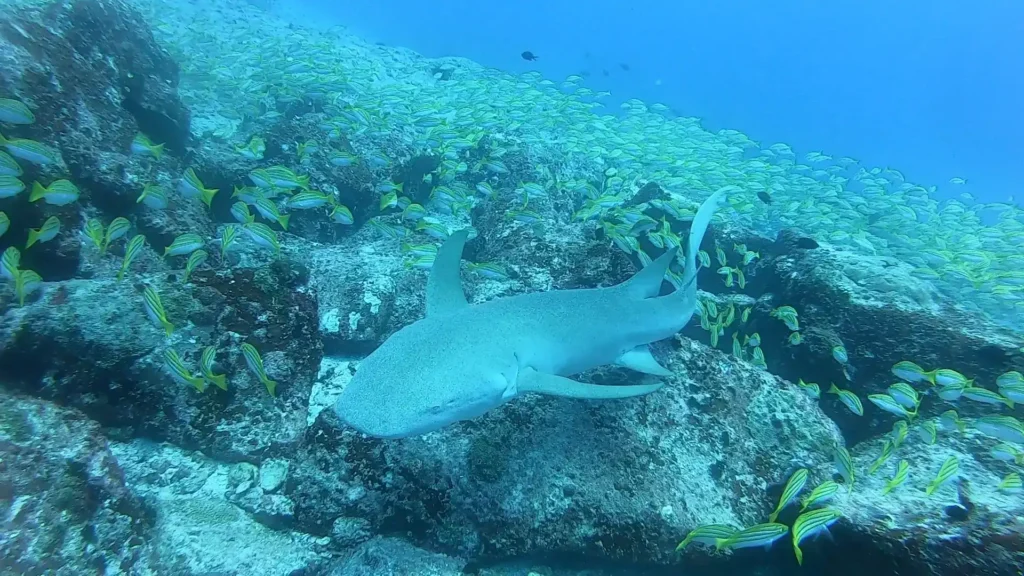
Flexible
Some dives are easy and scenic, others are more active. The right choice depends on the divers on board.
Granite, Rock and Reef Below the Surface
The island’s shape does not stop at the shoreline.
Underwater, La Digue keeps the same granite character you see from the beach: boulders, cracks, channels, sandy cuts and small swim-throughs. Coral, sponges and reef life grow around the rocks, so the dive feels like moving through part of the island itself.
Look into the spaces between the granite and you may find fish, octopus, lobsters or moray eels using the rock as shelter. That is what gives diving here its Seychelles feeling: natural, visual and full of small details.


Dive Sites Around La Digue
The diving area around La Digue is wider than the island itself. (Subt)
All diving from La Digue is done by boat, with sites around the island, the channel towards Praslin and nearby offshore areas.
Below are some of the dive sites Trek Divers commonly uses from La Digue.
Type
Boat dive, granite reef
Location
Between Praslin and La Digue
Maximum depth
Around 20–25 m
Minimum level
Open Water Diver
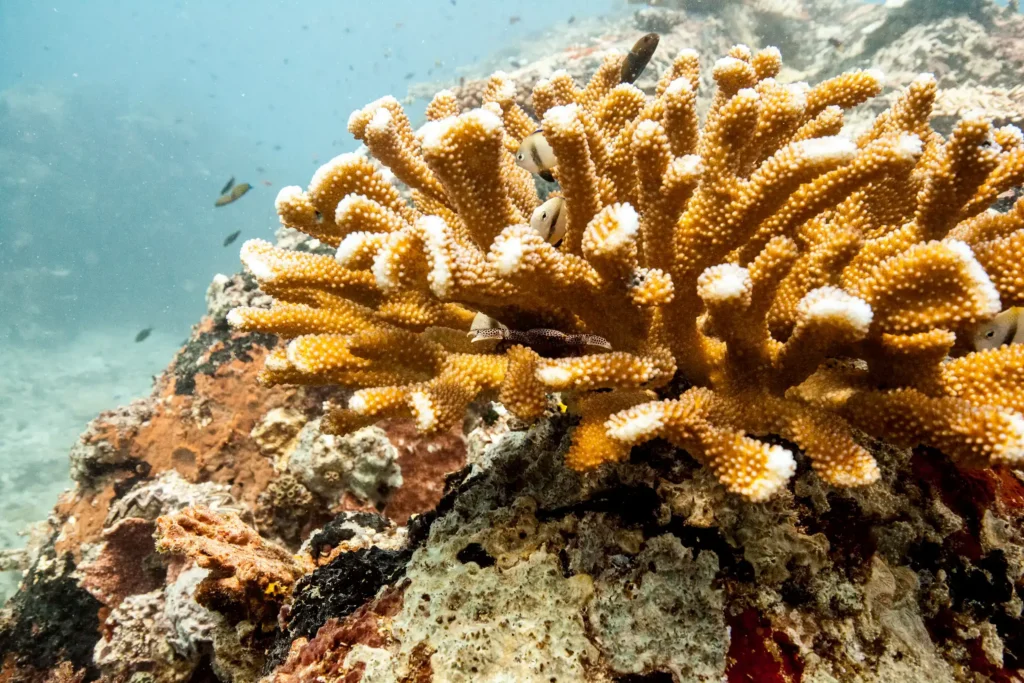
Ave Maria is one of the classic dive sites in the area between Praslin and La Digue.
The dive is known for granite formations, cracks, small grottos and reef life around the rocks. Depending on the day, divers may see turtles, rays, moray eels, octopus, reef fish, barracudas or occasional reef sharks.
Type
Boat dive, granite reef
Location
Praslin and La Digue area
Maximum depth
Around 15–22 m
Minimum level
Open Water Diver
White Bank is a submerged granite site with rocks covered in coral, sponges and reef life.
It can include small canyons, passages between the rocks and marine life hiding around the formations. It is a good example of scenic granite reef diving in the La Digue and Praslin area.
Type
Boat dive, granite reef and channel dive
Location
Between Praslin and La Digue
Maximum depth
Around 10–25 m
Minimum level
Advanced Open Water Diver
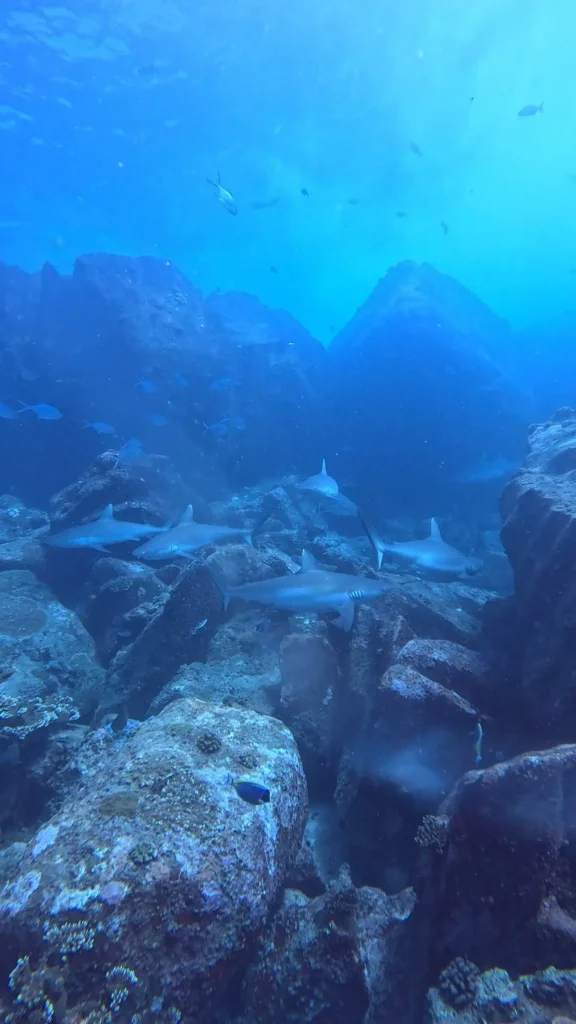
Channel Rock is a more dynamic dive site in the channel between Praslin and La Digue. It is known for granite formations, fish movement and the possibility of larger marine life passing through.
It is better suited to divers who want a more active dive profile.
Type
Boat dive, granite rock dive
Location
Near Sister Islands
Maximum depth
Around 12–25 m
Minimum level
Open Water Diver
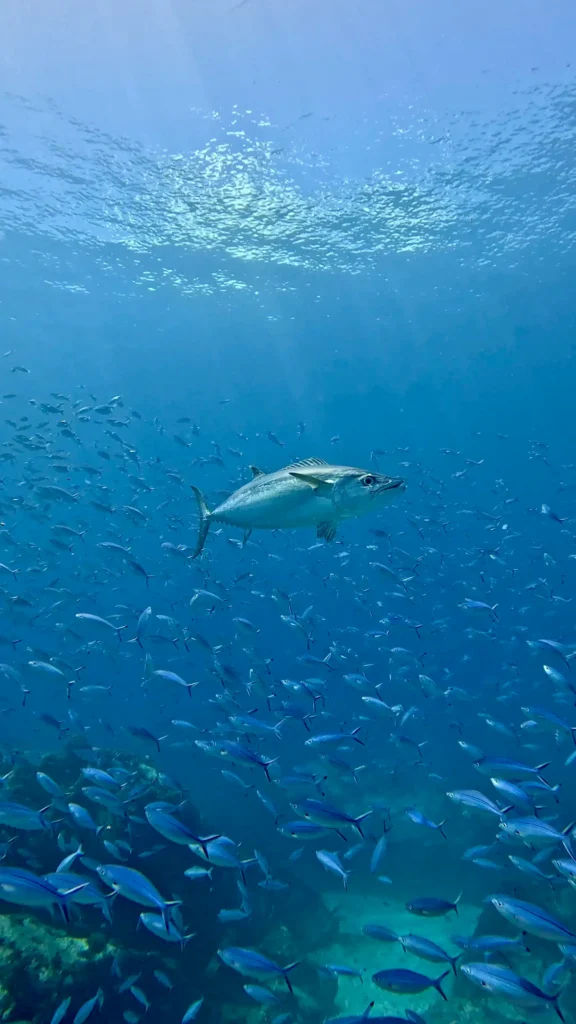
Albatross is known for its rock formation rising from the water and underwater passages around the site. Divers can expect granite scenery, reef fish and a more open feeling than some of the closer reef dives.
Type
Boat dive, drift dive
Location
East of La Digue
Maximum depth
Around 22 m
Minimum level
Advanced Open Water Diver
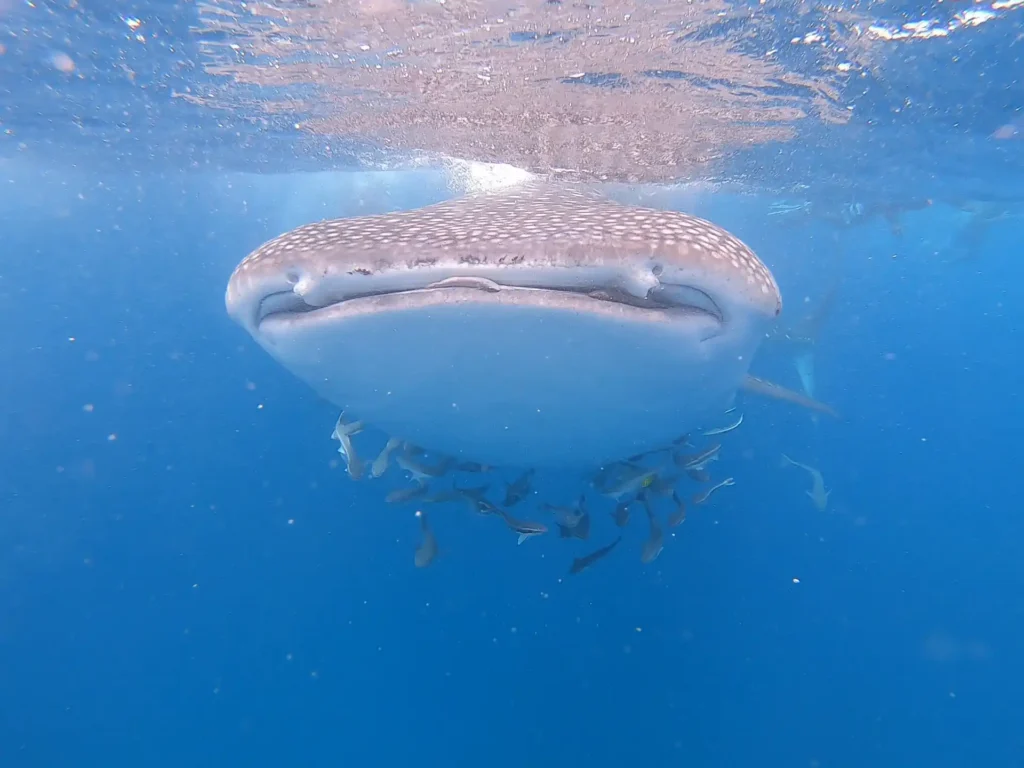
South Marianne is one of the more adventurous dive sites around La Digue.
The dive is known for granite formations, boulder fields, pinnacles and canyons, with fish action and the possibility of reef sharks, rays, turtles, barracudas and Napoleon wrasse.
Type
Boat dive, granite rock dive
Location
Southeast of Praslin
Maximum depth
Around 22–25 m
Minimum level
Advanced Open Water Diver
Shark Rock is a granite site with large boulders, reef life and a more active underwater feeling.
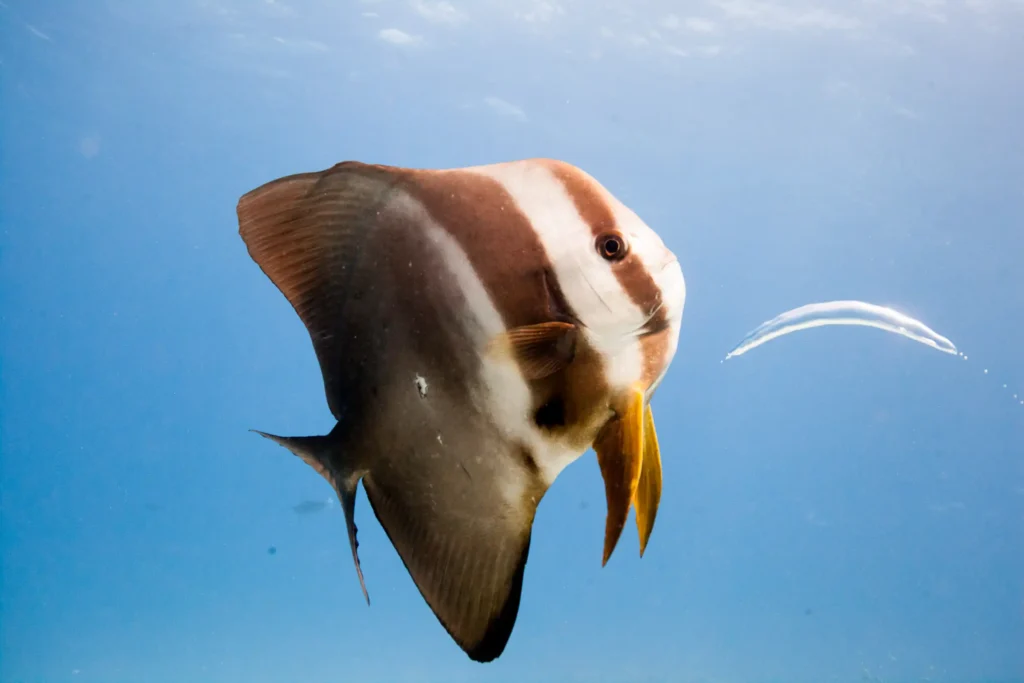
Divers may see reef sharks, rays, barracudas, turtles, moray eels, reef fish, batfish, snappers and fusiliers around the rocks
Type
Boat dive, granite rock dive
Location
Sister Islands area
Maximum depth
Around 15–25 m
Minimum level
Open Water Diver
Sister Bank is known for large granite boulders, swim-throughs and a more open island feeling.
It can offer good fish activity around the rocks, with snappers, fusiliers, rays, reef sharks and other reef life depending on the dive.
Type
Boat dive, granite rock dive
Location
Southwest of La Digue
Maximum depth
Around 20 m
Minimum level
Open Water Diver
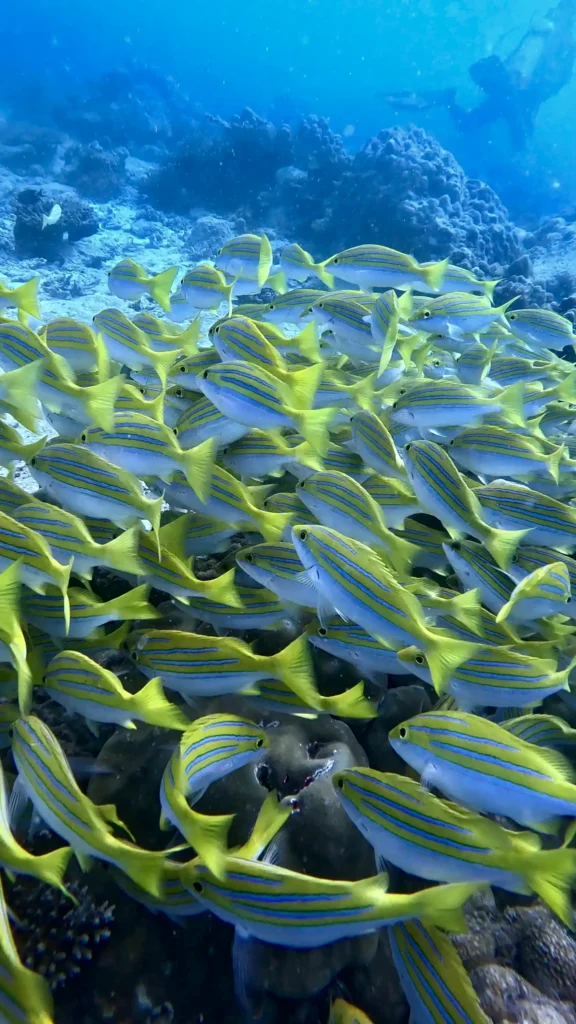
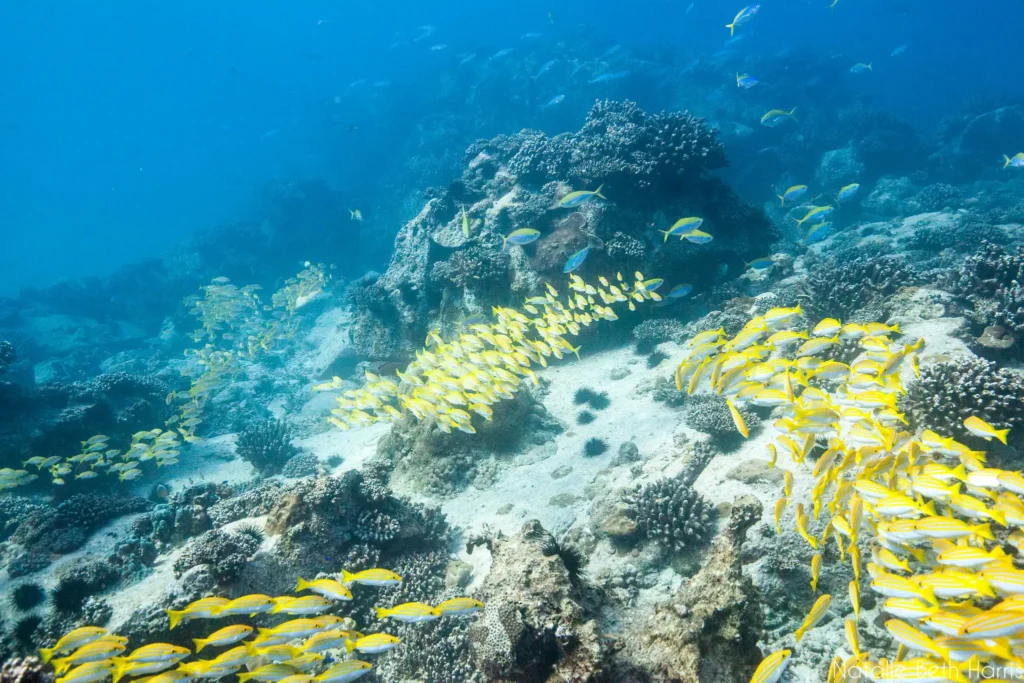
Pate Charlotte is known for dramatic granite rock formations rising from the bottom to as shallow as 5 metres.
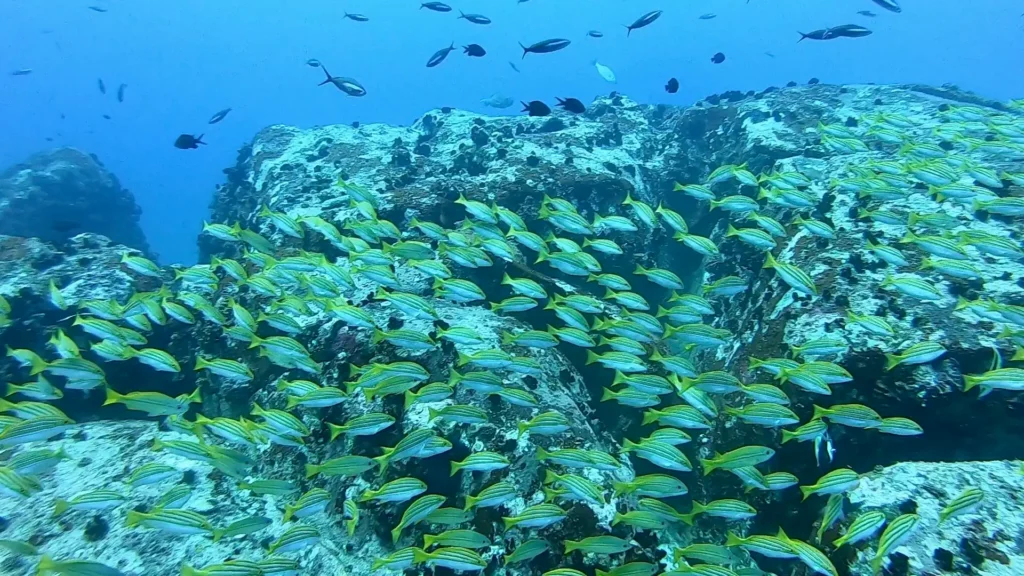
The site often has big schools of yellow snappers around the rocks, with the possibility of reef sharks, eagle rays, Napoleon wrasse and large lobsters. It is located southwest of La Digue, around 40–50 minutes by boat with Twin Spirit.
Type
Boat dive, coral and granite rock dive
Location
Southwest of La Digue
Maximum depth
Around 18 m
Minimum level
Open Water Diver
Roche Caiman is a rock formation that breaks the surface and gradually slopes down to around 18 metres.
It is one of the more coral-rich dive sites in the area, especially known for healthy hard corals. Divers may see schools of giant trevally, turtles and white-tip reef sharks around the site. It is located southwest of La Digue, around 45 minutes by boat.
Longer-Distance and Exceptional Dive Sites
Some longer-distance sites may be possible from La Digue on specific trips, including places such as Bitter Rock, Renomee, Chimney Rocks, Amoudie Maman or Ennerdale Wreck. These are usually linked to Full Day Dive Trips or longer-distance routes, and may require a different arrangement or surcharge.
If you are interested in more remote dive sites, tell us when you contact Trek Divers and we’ll let you know what may be possible during your stay.
Marine Life Around La Digue
From small reef life to occasional bigger encounters in the blue.
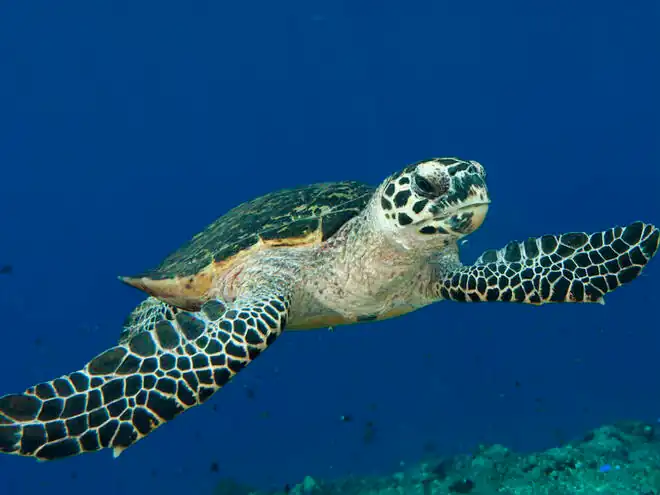
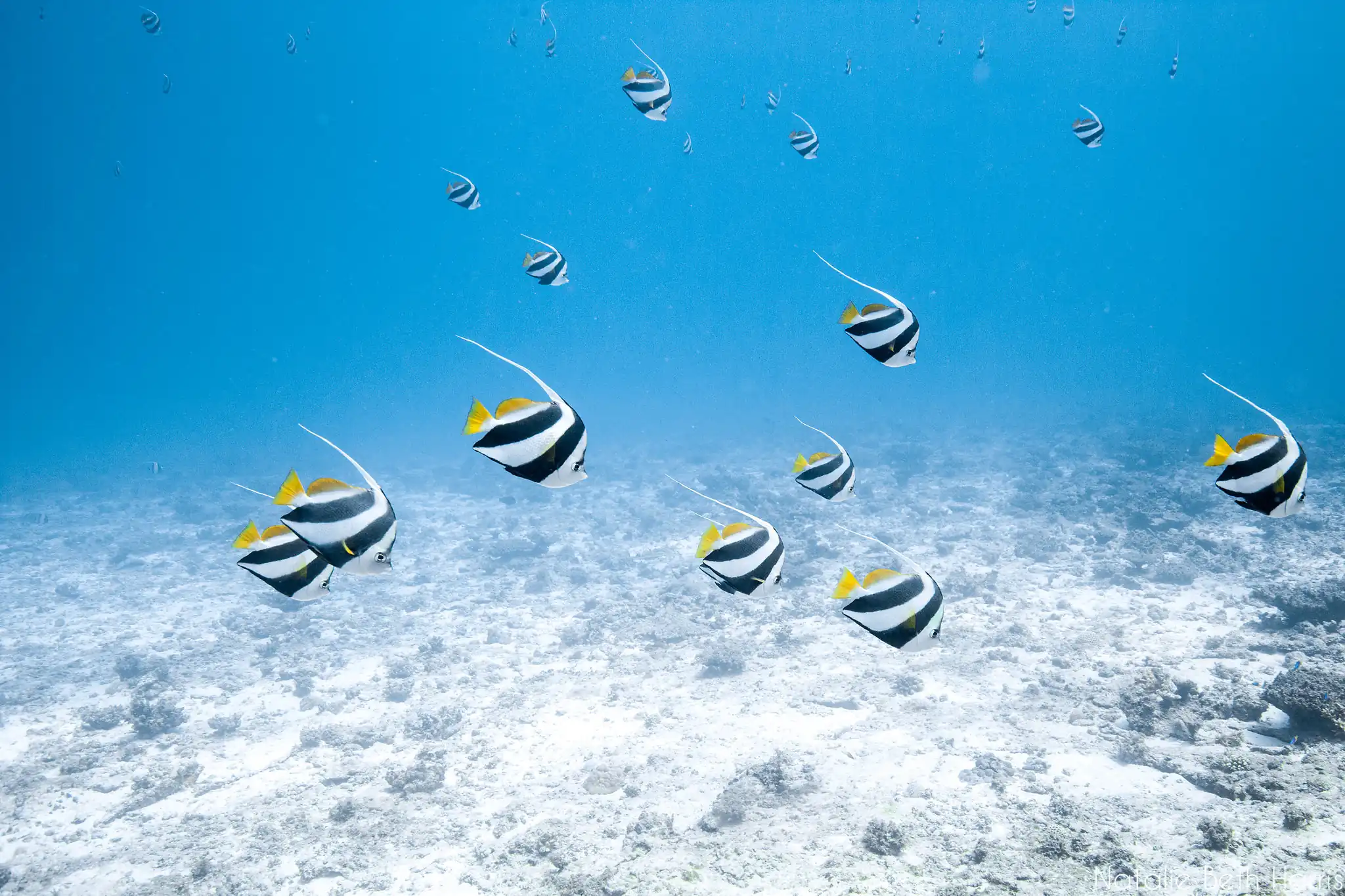
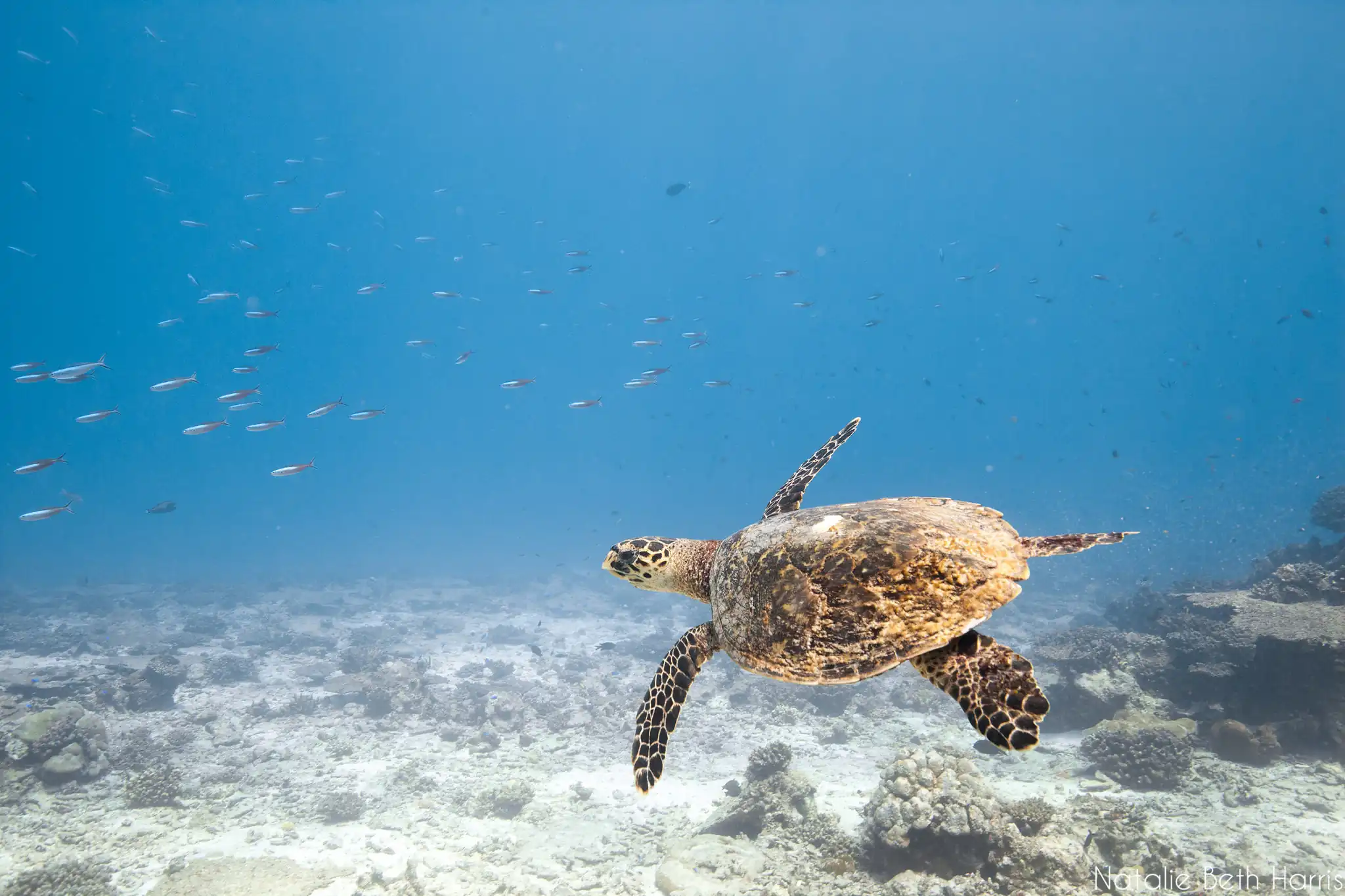
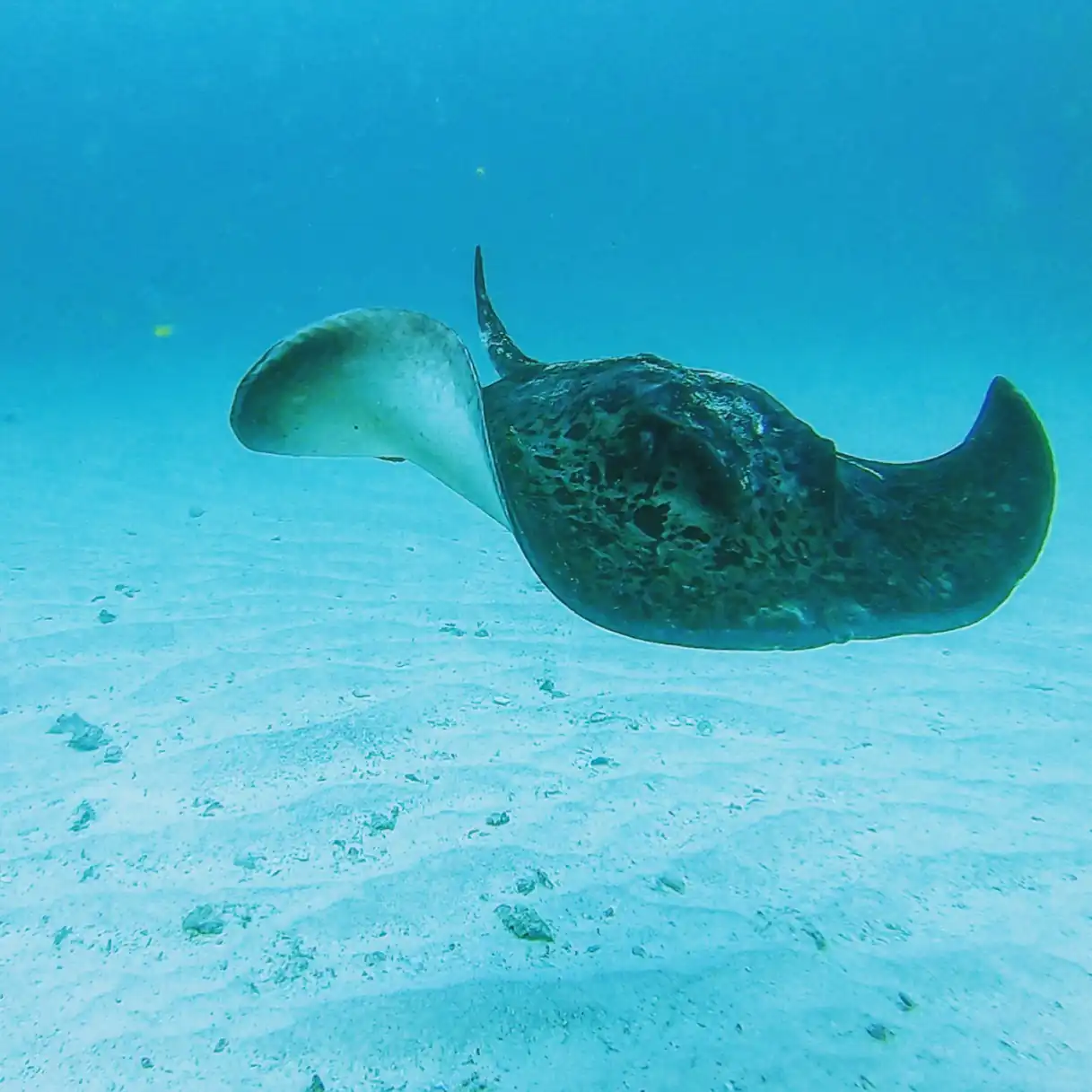
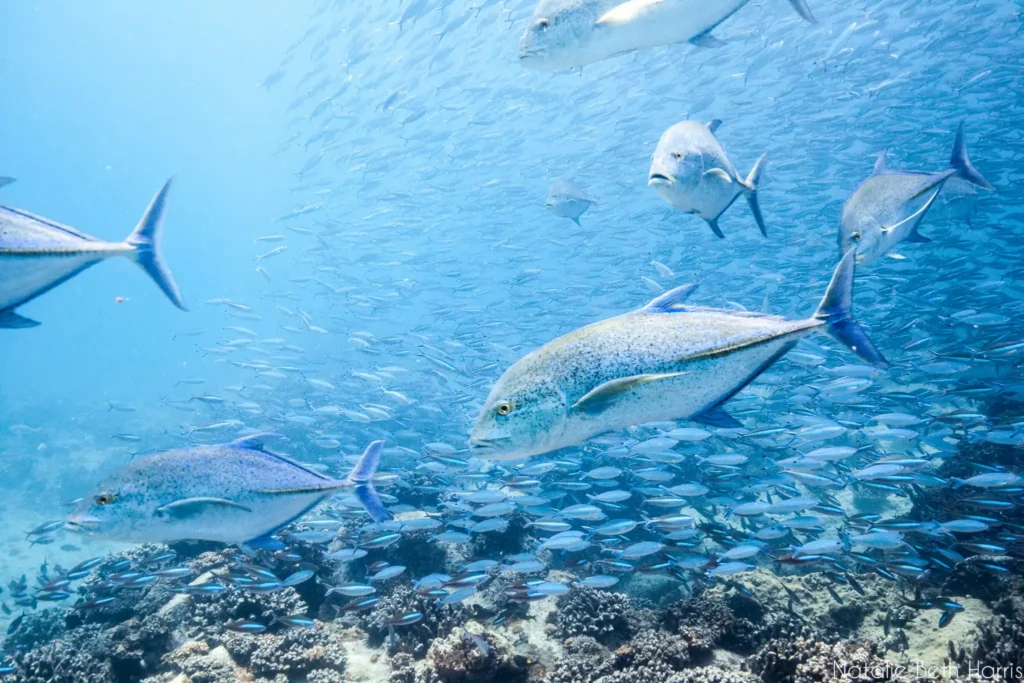
Around the granite formations and reef areas, divers may see turtles, rays, moray eels, octopus, lobsters, reef fish, snappers, fusiliers, batfish, barracudas and parrotfish. Some sites may also bring encounters with white-tip reef sharks, eagle rays, Napoleon wrasse or larger schools of fish.
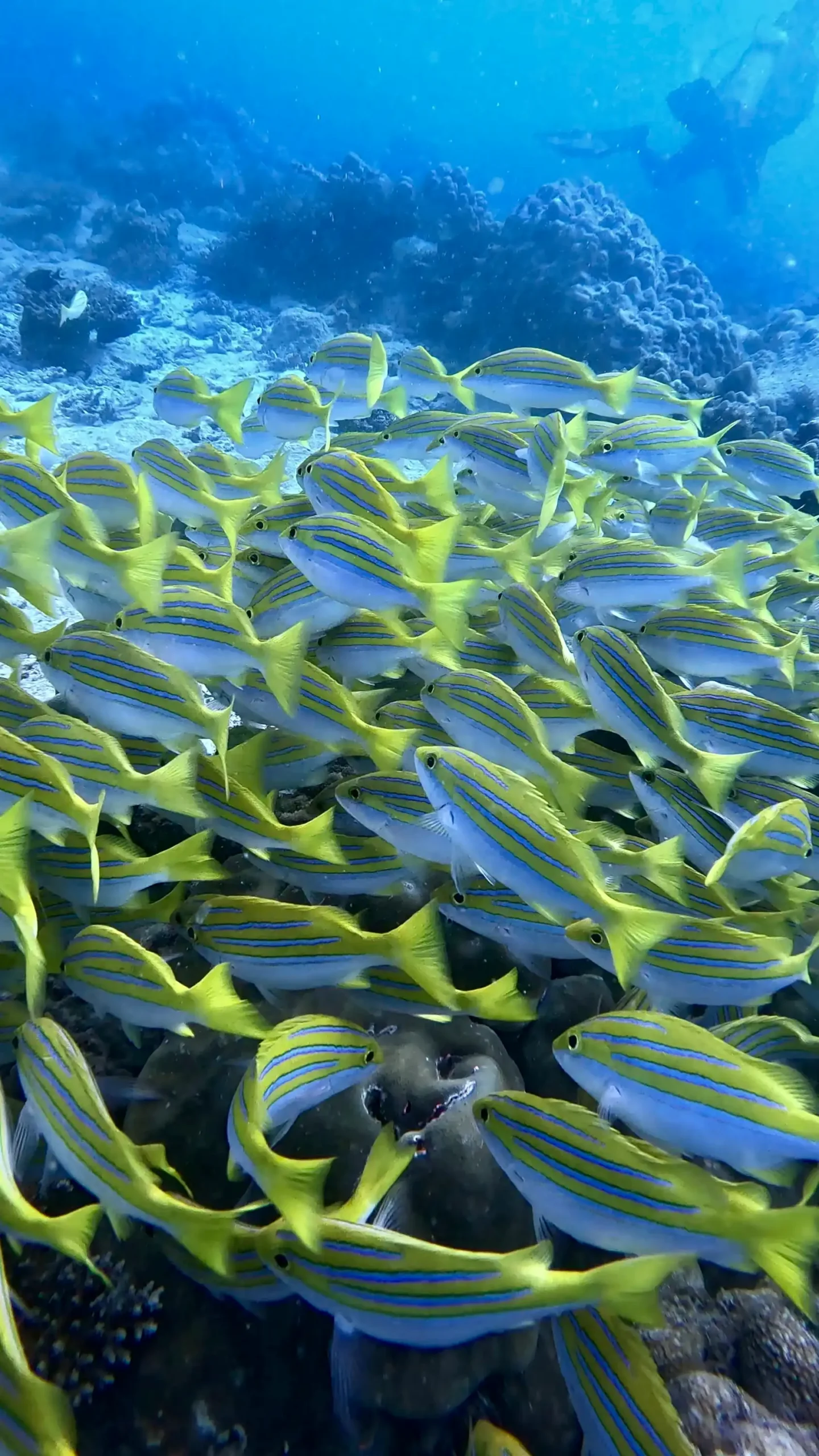
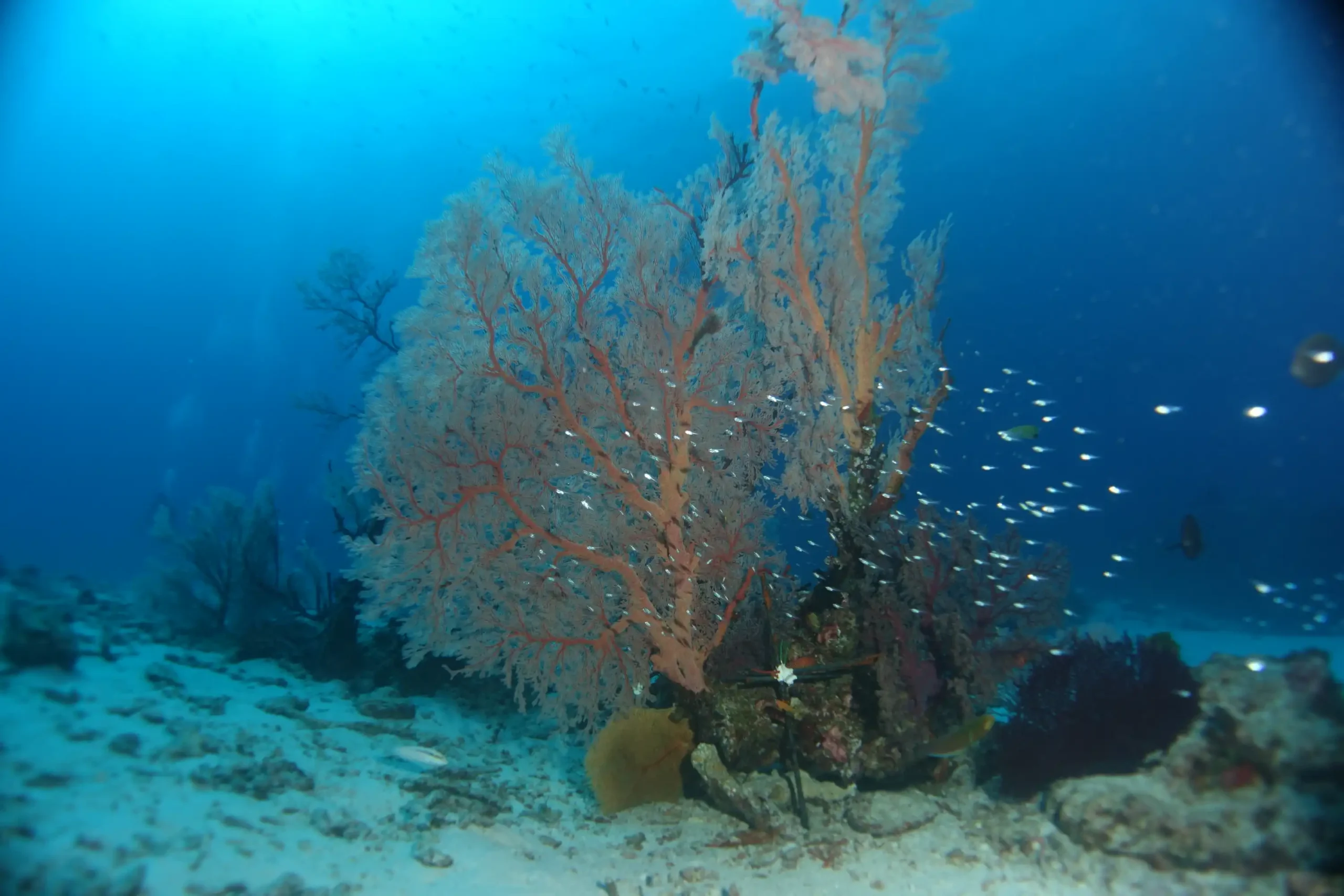
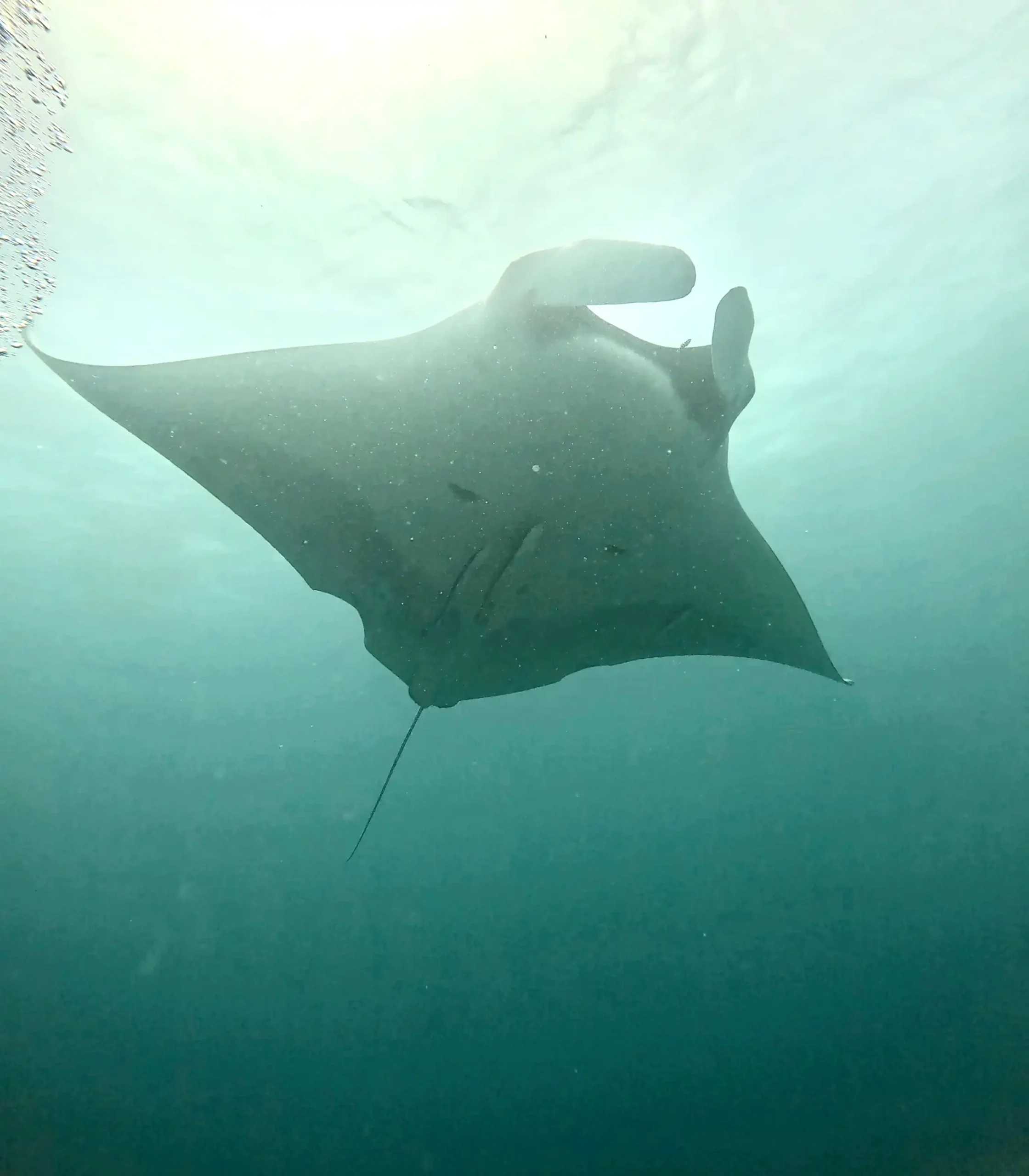
Larger animals such as dolphins, manta rays or whale sharks are part of the wider Seychelles marine environment. Around La Digue, they are special encounters, not something to expect on every dive. The best approach is simple: move slowly, keep good buoyancy and look for the small details as much as the bigger life.
Best Time for Scuba Diving in La Digue and Seychelles
Water temperature, visibility, seasons and what to expect.
Scuba diving in La Digue is possible all year round, with warm tropical water in every season.

Water temperature
Water temperature is usually around 25–30°C.
March, April and May are often the warmest months, while July and August are usually a little cooler.
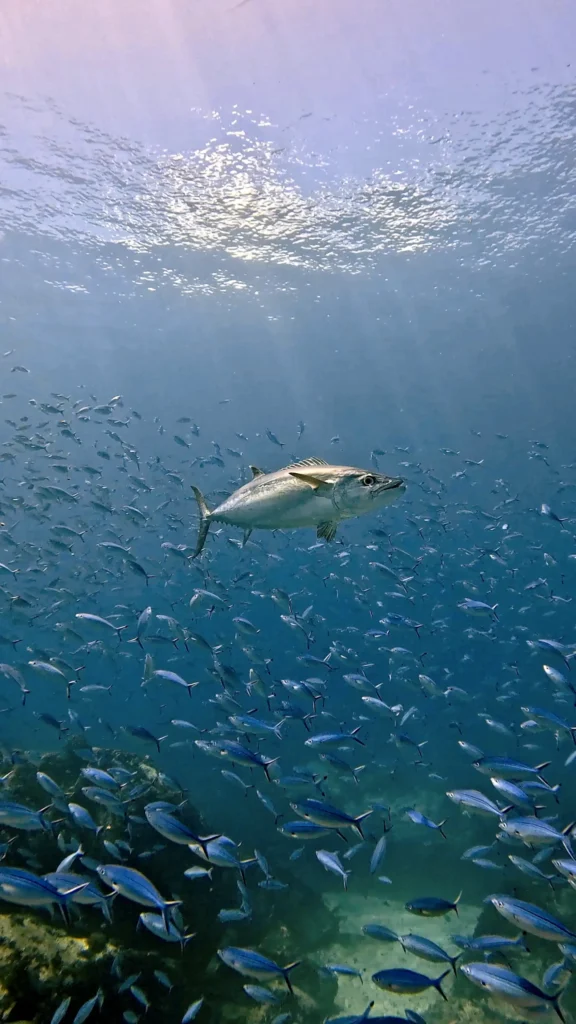
Visibility
Visibility is commonly around 15–30 metres.
It is often better during calmer periods, and can be lower with wind, plankton or water movement.
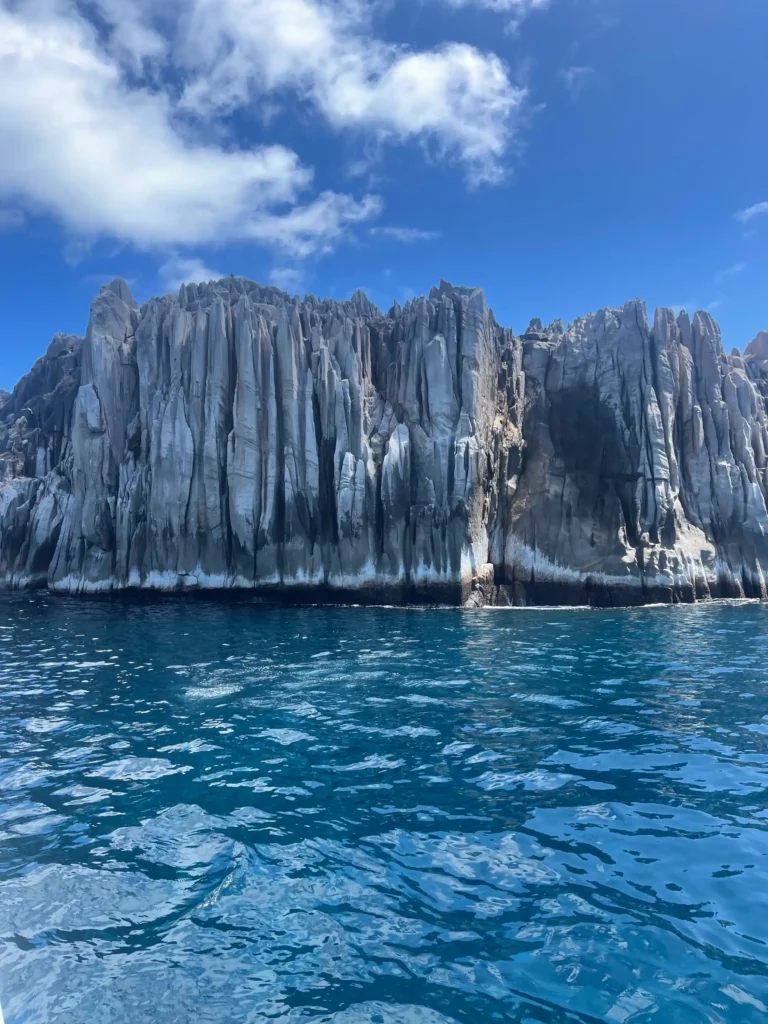
Best months for diving
April, May, October and November are often considered the best months for diving in Seychelles.
These are transition periods and usually bring calmer seas and better visibility.
Wind and waves
From around May to September, the southeast trade winds can bring more wind and surface movement.
Diving is still possible, but boat rides and exposed sites can feel more active.
Currents
Currents depend mostly on the dive site.
Some sites around La Digue are calm and scenic, while others can include drift, current or a more open-water feeling.
What to wear
Most divers are comfortable in a 3 mm wetsuit or shorty.
For longer dives, or if you get cold easily, a full 3 mm suit is usually a good choice.
Good to know
If your trip dates are fixed, you do not need to plan your holiday only around the “best” diving months.
La Digue can be dived year-round, but the exact dive sites, boat route and type of dive may change with the season.
Choose Your Diving Experience in La Digue
Different ways to dive, depending on your level and the kind of day you want. (Subt)
Once you understand what diving in La Digue is like, the next step is choosing the experience that fits you best.
If you are already certified
Join our regular Daily Dive Trips from La Digue.
A simple option for guided boat dives, local dive sites and a clear diving plan.
If you want more time at sea
Choose a Full Day Dive Trip with three dives and lunch on board.
A good option for certified divers who want a longer diving day around La Digue.
If you are diving as a group
Choose Private Group Diving with Twin Spirit for your dive group.
The boat is arranged for your group, with more space and a plan that fits your level.
If you have never dived before
Start with Discover Scuba Diving in La Digue.
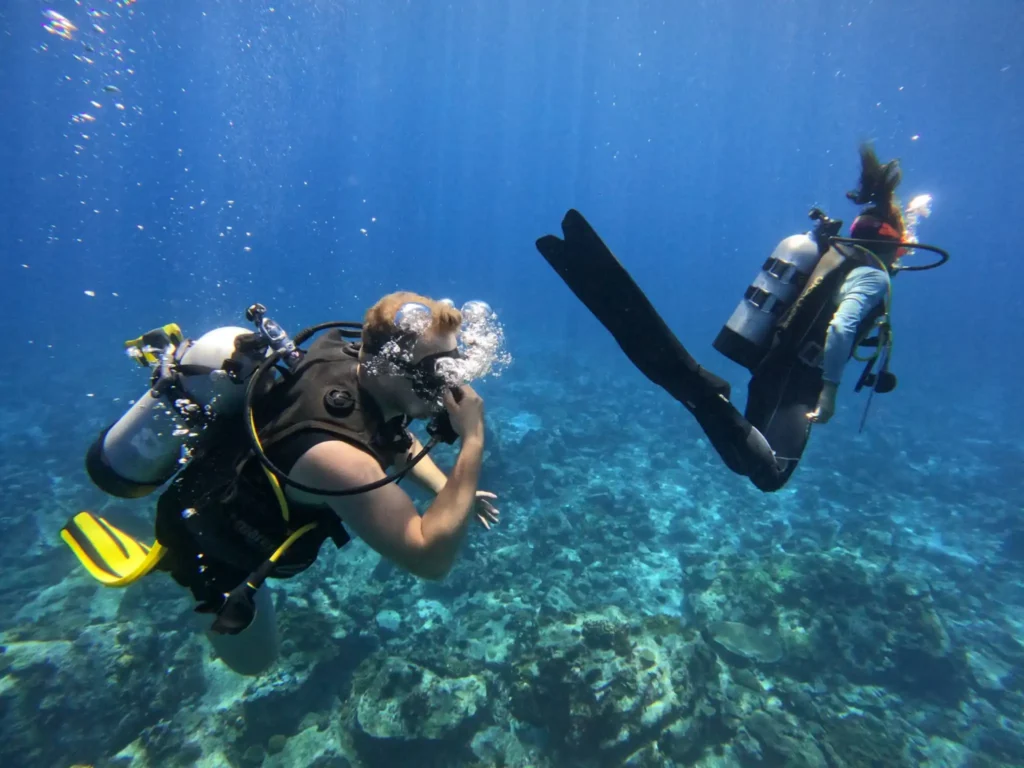
No certification is needed. A PADI Instructor explains the basics, helps you feel comfortable and guides you underwater.
If you want a private experience
Choose Private Diving if you want more space, flexibility and a personal dive plan.
This works well for couples, families, friends or certified divers who prefer a quieter experience.
If you want to learn or improve
Take a PADI Course or PADI Specialty Course in La Digue.
Start your certification, continue your training or focus on a specific diving skill.
Not sure which option fits you best?
Tell us your level, dates and what kind of diving day you want. We’ll help you choose the right experience.
The Trek Divers Approach to Diving in La Digue
We keep exploring the waters around the island.
At Trek Divers, diving in La Digue is not only about knowing the classic sites. It is also about staying curious.
We regularly explore new spots around the islands, and some of the sites we dive are places we are currently the only ones to visit.
That local knowledge helps us choose routes, sites and dive days with more care. Some days are about classic granite reefs. Other days can take you towards quieter areas, island sites, channel dives or more active spots.
The goal is simple: to share this part of the ocean with curiosity, local knowledge and respect for the sea.
Ready to Go Scuba Diving in La Digue?
Whether you want regular boat dives, a full day at sea, private diving, group diving, your first scuba experience or PADI training, we’ll help you choose the right option for your stay.